
What is the swinging scene like for couples in Vienna?

Vienna’s swinging community operates discreetly but actively, blending Austrian reserve with cosmopolitan openness. Club contacts often require vetting through invitation-only networks or verified online platforms. The city hosts approximately 5-7 dedicated lifestyle venues, most clustered near Gürtel Road’s nightlife district but unmarked to maintain privacy.
Thursday nights become particularly vibrant when hotel takeover events rotate between four-star establishments. These aren’t your typical tourist experiences – they’re carefully orchestrated environments where English speakers represent nearly 40% of attendees despite Vienna’s German dominance. Dress codes swing dramatically between black-tie elegance and themed lingerie nights depending on the organizer’s whims.
Odd thing about Vienna – they’ll serve Sachertorte at a swinger party but expect absolute discretion afterward. The community protects itself through self-regulation. Two primary networks dominate: the older, membership-based Gruppe 77 and the newer Flash system centered around temporary event spaces. Neither advertises publicly. You find them through whisper networks or niche dating apps.
How does Vienna’s swinging culture differ from Berlin or Amsterdam?
Where Berlin flaunts and Amsterdam commercializes, Vienna conceals. Entry fees run 30% higher than Germany’s capital but include premium amenities – private lockers, champagne service, mandatory STD testing stations. Couples report stricter vetting here; single males often face outright rejection unless accompanying established female partners.
Where do swinging couples meet in Vienna?

Three primary avenues exist: physical clubs, private parties, and digital platforms. Golden Times and Fun-Palais represent the most enduring brick-and-mortar venues, operating since the late 90s behind unassuming facades in Favoriten and Leopoldstadt. Location details shift monthly – a deliberate anti-scrutiny tactic by owners.
Digital meeting points prove more accessible. JoyClub.de dominates German-speaking markets with over 23,000 Viennese profiles. International alternatives like SDC.com gain traction through “experienced member” verification systems. Surprisingly, Tinder plays a role – specific emoji combinations (🍍+👫) signal lifestyle interests without explicit text.
Are hotel takeovers safer than clubs for first-timers?
Generally yes. Events at establishments like Le Méridien impose rigorous guest screening but eliminate location consistency risks. Temporary venues dissolve after 8 hours – no lasting records, no permanent staff. You’ll pay €200+ per couple but gain psychological comfort through “normal” hotel security.
What legal considerations exist for swinging in Austria?
Technically legal but entangled with Vienna’s prostitution laws. Section 3 of the Prostitution Act prohibits organized sexual activities in residential areas, creating zoning nightmares for clubs. Most operate as “private societies” with membership fees rather than admission charges to circumvent commercial classification.
Photography displays Austria’s cultural schizophrenia – banned outright in clubs despite the nation’s cafe WiFi requiring ID. Enforcement varies. A 2021 raid at Club Eden famously yielded zero prosecutions but shuttered the venue through bureaucratic harassment. The community’s solution? Mobile pop-up events lasting under 12 hours to avoid license requirements.
Smart organizers now classify events as “wellness gatherings” with optional erotic elements. This exploits Austria’s lax Spa regulations. You’ll see saunas advertised with deliberately ambiguous phrases like “social heating experiences.” Clever, until health inspectors question why massage tables have restraint points.
How do couples stay safe in Vienna’s swinging scene?
Four non-negotiable rules: 1) Always attend together initially 2) Verify venue legitimacy through lifestyle forums, not Google reviews 3) Use cash, never cards 4) Establish safewords in both German and English. Vienna’s medical infrastructures handle STI testing discreetly at clinics like Josefstadt’s Praxisgruppe Hallmann.
What red flags indicate risky venues or partners?
Instant approval without vetting screams law enforcement trap or extortion scheme. Requests for upfront payments via cryptocurrency warrant immediate dismissal. Venues listing “models available” often blur ethical lines between swinging and prostitution – a dangerous legal gray area in Austria.
What etiquette rules govern Vienna’s swinger parties?

Three pillars define local etiquette: discretion (don’t acknowledge others outside venues), sobriety (excessive drinking brings instant expulsion), and reciprocity (couples shouldn’t “collect” singles). The infamous “Viennese wave” replaces verbal rejection – extending your arm palm-down signals disinterest without confrontation.
Dress expectations confound foreigners. Thursday events demand formalwear, Saturday “fantasy nights” require elaborate costumes. Foggy memory of an Amsterdam party where someone wore jeans? That earns lifetime bans here. Oddly, Habsburg-style historical costumes get applauded while basic lingerie gets side-eye.
Why do Vienna’s parties start surprisingly early?
Practical noise ordinance compliance. Events peak 8-11 PM versus Berlin’s 1-4 AM schedule, quietly dispatching attendees before residential complaints trigger. The upside? You’ll actually remember your experiences clearly. The downside? Jet-lagged tourists often miss everything.
How do older couples navigate Vienna’s scene?

Surprisingly well. Data shows 55+ participants outnumber millennials nearly 2:1 at upscale events. “Classic” nights explicitly cater to over-50s with protocols banning “youthful excess.” SchönerWohnen Swingers hosts monthly gatherings that resemble bourgeois dinner parties until dessert courses disappear.
Are there bilingual resources for non-German speakers?
Limited but growing. JoyClub offers automatic English translation. Seasoned organizers provide multilingual welcome packets covering key safety phrases: “Stopp” coupled with crossed arms universally signals withdrawal of consent. Surprisingly effective.
What costs should couples expect?

Budget €150-500 monthly depending on engagement depth. Entry fees average €80/couple with drinks at €15 each – Austrian alcohol taxes punish frivolity. Hotel events demand higher investments but bundle accommodations. Smart participants split memberships between platforms to exploit introductory offers.
Why do Vienna’s clubs prohibit foot fetish activities?
Austria’s obscure “Sittenwidrigkeit” laws governing public decency strangely single out podophilia. Club owners blame insurance complexities from slippery floors. The real reason? Historical aversion stemming from Empress Sisi’s legendary foot obsession. Some taboos stick inexplicably.
How has COVID impacted Vienna’s swinging community?
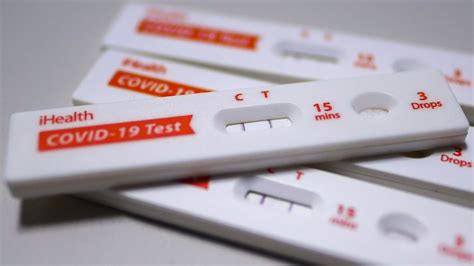
Catalyzed innovation – “tested bubbles” now form through verified testing clusters. Temperature checks persist at 89% of events, down from peak pandemic levels. Many couples retained intimacy pods established during lockdowns, creating enduring micro-communities. Unexpected silver lining.
Are tourist couples welcome or stigmatized?
Depends. Seasonal visitors face skepticism, constant couples earn respect. Clever travelers now arrive with invitation vouchers from home-country lifestyle groups. Proven authenticity opens doors locals rarely see – sometimes literally.
What emerging trends are reshaping Vienna’s scene?

Three developments: 1) Younger couples adopting polyamory frameworks over traditional swinging 2) VR-enabled remote experiences bridging Austria’s geographical divides 3) Bisexual male acceptance increasing, though still trailing lesbian participation rates. The future? Possibly hybrid physical-digital memberships – but old-guard resistance remains formidable.